





E-commerce web design is the combination of user-centric interface, site speed, and trust elements that convert your online store's visitors into customers. In a competitive environment like 2026, your website's design directly impacts your sales. Easy navigation and a professional appearance can help you generate more revenue from your online store.
E-commerce Web Design Strategies That Convert Visitors Into Customers
Key elements that guide visitors to make purchases on an e-commerce site include a trustworthy payment page, effective color choices, fast-loading visuals, and an intuitive menu structure. A simple and clear layout on the payment page, in particular, helps users complete their purchases without hesitation. Color psychology also alters page perception; blue and green tones increase trust, while red typically creates a sense of urgency and is prominent in campaign announcements.
One of the most critical factors affecting site speed is image optimization. Users expect pages to load in seconds, thanks to high-resolution yet compressed images. By 2026, with modern image compression tools, the average e-commerce site's loading time can be reduced to 2-3 seconds. This speed boosts purchase completion rates. Conversely, slow-loading pages lead to shopping cart abandonment.
Category and menu structure is a hidden hero that simplifies the shopping journey. If the main menu contains too many categories, visitors may struggle to find the product they're looking for. With a smart category system, every product should be discoverable within a maximum of three clicks. Industry observations show that if a visitor spends more than three clicks trying to find a product, their likelihood of leaving the site significantly increases. A well-structured menu leads to a dramatic rise in conversion rates.
For example, an e-commerce site that uses featured products on the homepage, clear category headings in the top menu, and call-to-action buttons highlighted with campaign colors can see a significant increase in conversion rates with just a design change. Such steps make it easier for visitors to proceed with a purchase.
Snippet block: Complexity in category and menu structure leads to lost sales. Simple menu structures where every product is easily found encourage users to shop, directly impacting conversion rates.
Design Details That Drive Mobile Sales to the Top in 2026
As of 2026, purchases made on mobile devices constitute more than half of total e-commerce sales. The most crucial details that boost mobile sales are fast-loading product pages, images that fit the screen perfectly, and one-click payment options. An effective product page facilitates shopping with large buttons and readable fonts. Designing mobile menus as collapsible/expandable prevents complexity and allows users to quickly reach the desired product.
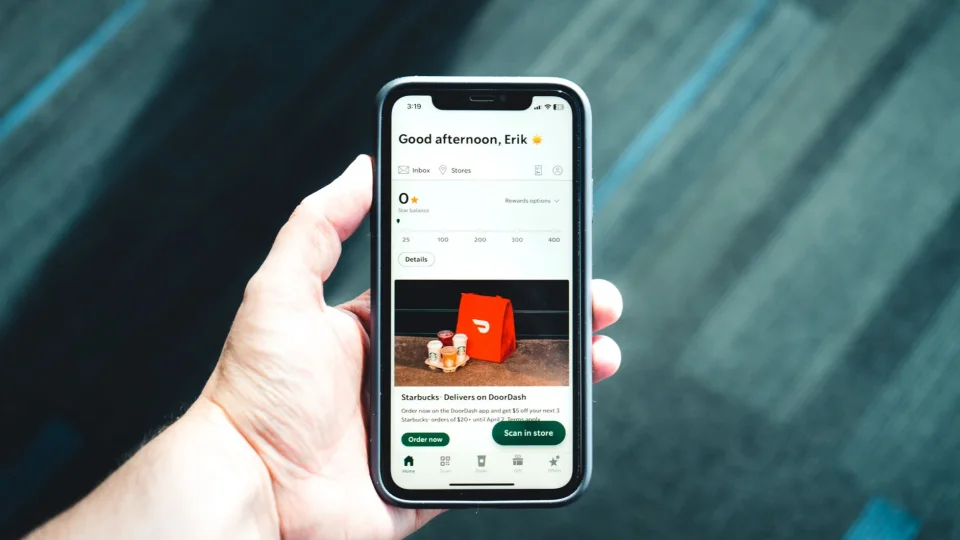
Practical solutions like one-click payment reduce user abandonment rates. According to industry data, mobile shopping cart abandonment rates are 20% higher than on desktop. However, quick payment steps and easy return policies significantly reduce this rate. Eliminating unnecessary steps in mobile payment processes makes an immediate difference in conversion rates. Many e-commerce platforms have increased their mobile sales revenue through such enhancements.
| Feature | Impact on Mobile Design | Impact on Desktop Design |
|---|---|---|
| Large buttons | Ensures easy clicking | Standard size is sufficient |
| Image optimization | Loads quickly, saves data | Detailed visuals stand out |
| One-click payment | Increases conversion rate | Multi-step payment process is acceptable |
Visitors shopping on mobile devices dislike waiting. Therefore, in 2026, mobile-responsive site design is critical not only for increasing sales but also for maintaining customer satisfaction. Advanced mobile optimization sets your brand apart from competitors.
Snippet block: Mobile-responsive e-commerce sites can achieve up to 15% higher conversions than desktop sites. Fast-loading pages and easy payment methods make a difference in mobile shopping.
Frequently Asked Questions
What Is E-Commerce Web Design?
Blue, green, and light gray tones evoke a sense of trust and peace in users. Using these colors, especially in payment and registration forms, helps visitors feel more comfortable sharing their personal information. Red is generally preferred for attracting attention and creating a sense of urgency; however, its extensive use throughout the entire site is not recommended.
How Is E-Commerce Web Design Planned?
Mobile-responsive design enables users to shop seamlessly from different devices. Fast-loading pages and easy navigation prevent shopping cart abandonment. Optimized buttons and a simple interface on mobile speed up the shopping process and increase conversion rates.
What Should Be Considered for E-Commerce Web Design?
Nagdos can develop e-commerce websites within varying timeframes depending on the project and requirements. A standard setup can usually go live within a few weeks after requirements are defined. If customized functions or integrations are needed, this period may extend; for up-to-date details, contacting Nagdos directly would be the best approach.
A meticulously planned e-commerce website improves user experience and directly impacts sales. Optimizing every element, from menu structure to mobile responsiveness, is key to staying ahead in the competition. Focusing on both the user and business goals in design decisions paves the way for success in 2026. This increases conversion rates, strengthens brand loyalty, and leads to a real leap in online sales.