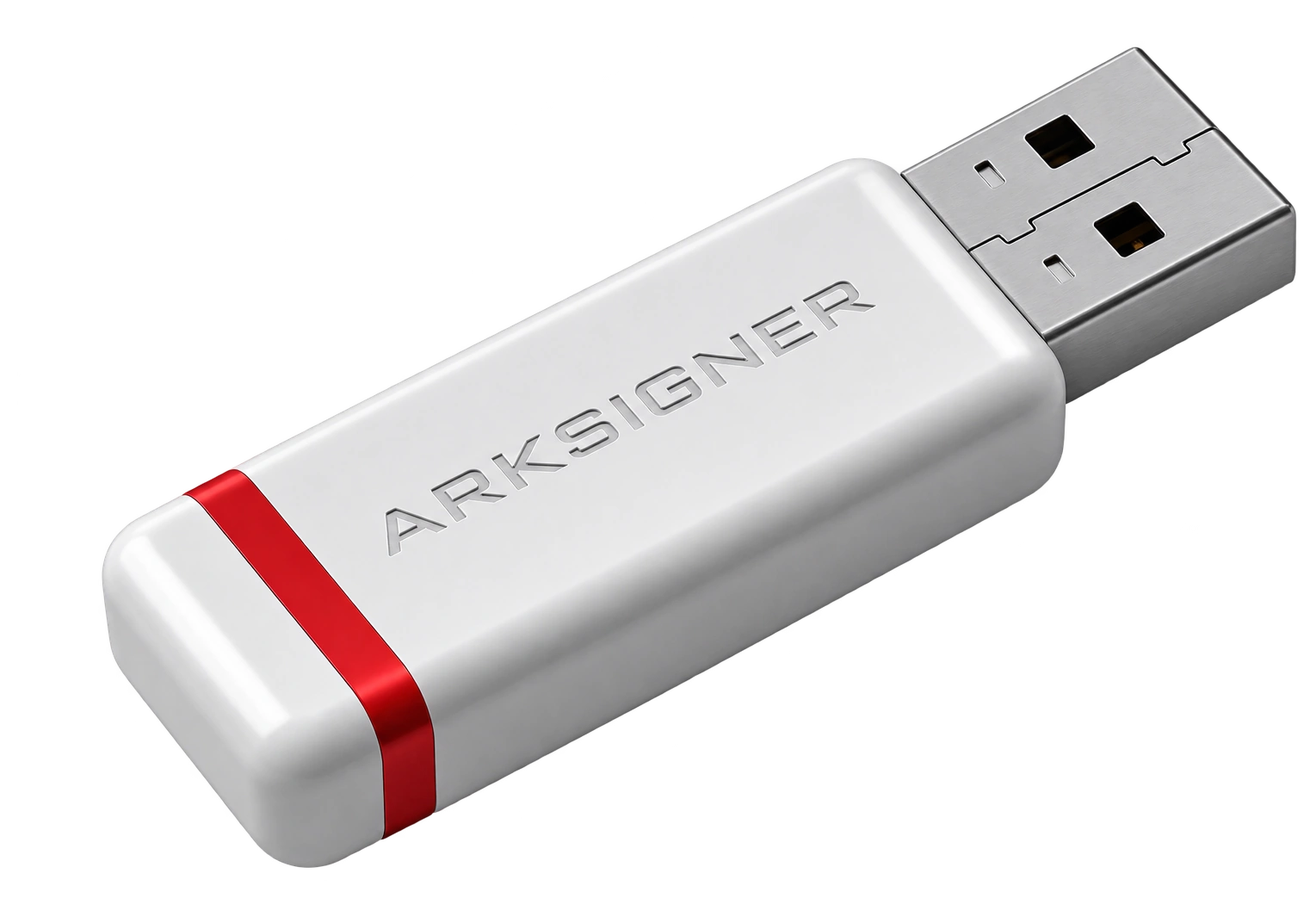


When budgeting for electronic signature solutions, looking only at the total spend can be misleading. An Arksigner price assessment is a composite budgeting process that includes not just the software interface, but also the qualified electronic certificate validity period, secure smart card hardware, and technical operational steps. Making this distinction correctly helps you control business expenses by avoiding unnecessary hardware investments.
Breaking Down the Cost Components of Arksigner
In certificate budgets, the final cost is directly shaped by the certificate's validity period, the physical components that store encrypted data, and complementary operational steps. The first step in budgeting is to clarify whether the certificate will be obtained with a one-, two-, or three-year validity period. With one-year purchases, reapplication and verification costs arise each period, while three-year options significantly lower the annual unit cost. In short-term purchases, the license and transaction cost per unit of time is always higher. This significantly eases periodic expenses for organizations planning long-term use. To understand the core parameters of the subject, you can review the guide titled why e-signature prices vary.
On the physical hardware side, the smart card, token-type card reader, and the license share of signing libraries are reflected in the invoice. A first-time applicant must purchase a secure chip reader device to connect to the computer. Professionals who already have hardware can manage the process with only the certificate renewal fee. At this point, separating the smart card from the reader mechanism protects the budget. To prevent unnecessary hardware duplication, it is necessary to audit the existing device inventory. Hardware cost is one-time; the certificate fee is a periodic obligation.
The inclusion of technical support and installation services in the package also directly affects the final cost. Remote connection assistance, driver compatibility checks, and platform activation support are offered upfront in some packages, while in others they are subject to additional charges. To avoid unexpected operational expenses, it is useful to prepare a checklist:
- Check whether the package includes a physical card reader device.
- Verify whether remote technical support is included during initial setup.
- Clarify the certificate's 1-, 2-, or 3-year validity period.
- Confirm that operating system driver support is up to date.
Reading Arksigner Price Correctly Based on Intended Use
The nature of the usage area directly determines the scope of the electronic certificate package to be selected and, accordingly, the total budget. In critical integrations such as Public Procurement Authority systems (EKAP), the UYAP platform, foreign trade processes, or e-invoice approval mechanisms, the hardware standard is strict. Certificates used in these areas must be stored on physical chips fully compliant with secure electronic signature legislation. There can be significant cost differences between the Arksigner price level planned for a standard internal approval workflow and hardware packages for high-security public procurement platforms. Authorized signature configurations based on corporate representation authority expand the operational expense item because they include additional verification and document control processes.
Evaluating NFC business card technologies together with e-signature needs, which are frequently encountered in new-generation workflows, is a contemporary approach that optimizes unit cost. Digital identity cards that eliminate physical business card printing expenses provide operational savings when planned in sync with electronic certificates. Combining two different corporate needs under bulk processes instead of independent orders reduces per-unit transaction costs. To budget this integrated approach, you can refer to the analysis steps in our article on NFC card prices package comparison.
| Package Type | Core Components | Intended Use | Cost Impact |
|---|---|---|---|
| Standard Individual Package | Smart card, reader, 1-year certificate | General e-Government and document approvals | Entry-level hardware and certificate fee |
| Multi-Year Corporate Package | Smart card, reader, 3-year certificate | EKAP, UYAP, e-Invoice, foreign trade | Low annual unit cost, high initial investment |
| Certificate Renewal Only | Remote certificate loading to existing card | Extending an expired certificate | Minimum cost, no hardware item |
At the selection stage, instead of focusing only on the label amount, it is necessary to list the required system integrations. Check the current package contents, price, and application conditions from the Nagdos e-signature catalog.
Frequently Asked Questions
What Is the Arksigner Price?
The card reader status varies depending on the package contents. In starter packages prepared for first-time electronic signature buyers, the physical smart card and card reader device are usually included in the price. In renewal packages offered to those who have previously acquired hardware and will continue using their existing card reader, only the certificate license fee is charged. When placing an order, clearly checking the hardware components of the selected package prevents you from paying for extra devices.
Do I Pay the Same Price When Renewing My Arksigner Certificate?
In certificate renewal processes, the same fee as the initial purchase is not paid. Hardware costs such as the physical smart card and USB card reader reflected in the invoice at the first subscription are removed at the renewal stage. As long as the existing chip and reader remain technically valid, only the service fee covering the new certificate period is paid. This way, the total expenditure in renewal periods drops to a level that does not strain the budget compared to the starter package.
How Is the Arksigner Price Planned?
When comparing price quotes, it is necessary to clarify technical operation and service details. When requesting a quote, clearly ask whether the smart card and reader hardware are included in the price, the scope of the technical support service to be provided, and any shipping and on-site identity verification fees. The number of years the certificate is issued for and whether driver compatibility support on different operating systems such as Mac OS or Windows is provided free of charge should also be confirmed in writing before approving the quote.