





Server prices represent a budget shaped not only by the server itself but also by energy, maintenance, and various additional services. This distinction is often highlighted in Nagdos's compilations. Accurate cost analysis is essential to avoid unexpected expenses and build a sustainable digital infrastructure. This guide will make a difference for those who want to make smart decisions both technically and financially in 2024.
What Are the Hidden Costs Affecting Server Prices?
Buying or renting a server may seem like just a hardware cost at first glance, but there are many items underlying the total cost. When the electricity consumption powering the server combines with the data center's cooling and infrastructure expenses, you often face a much higher burden than expected. For example, according to field observations, energy costs in a data center can approach 40% of total operating costs. This percentage includes not only hardware but also climate control, uninterruptible power supplies, and even the maintenance of backup generators.
It doesn't end there. When hardware needs regular updates and failed components must be replaced, expenses far beyond the initial investment emerge. Occasionally, even a small disk failure can bring the entire system to a halt. In such cases, annual fees paid for maintenance services directly affect the total budget. Especially in large-scale companies, the scope and duration of maintenance agreements become decisive on prices.
Additionally, license fees for software running on the server, extra security measures, and regular backup solutions significantly increase the total cost of ownership. License fees being affected by exchange rate fluctuations is one of the leading causes of sudden budget increases many businesses faced in 2024. Backup and data recovery services are indispensable for protecting your system from a potential disaster. Planning without accounting for all these hidden costs can lead to surprises down the road.
Many managers focus only on the hardware price tag while overlooking that the real burden comes from energy, maintenance, and service packages. The article titled server prices delves deeper into server costs. Therefore, in total cost calculation, it is necessary to pay attention not only to visible figures but to all additional items.
Smart Choices That Save on Server Prices
The most effective way to protect your budget when planning a server investment is to determine the most suitable server type for your needs. When choosing between a physical server, cloud, or virtual server, you should consider the capacity your workload requires, your growth potential, and your data security needs. Buying hardware that is larger than necessary unnecessarily increases both energy and maintenance costs. Conversely, an underpowered choice creates performance loss and data loss risk.
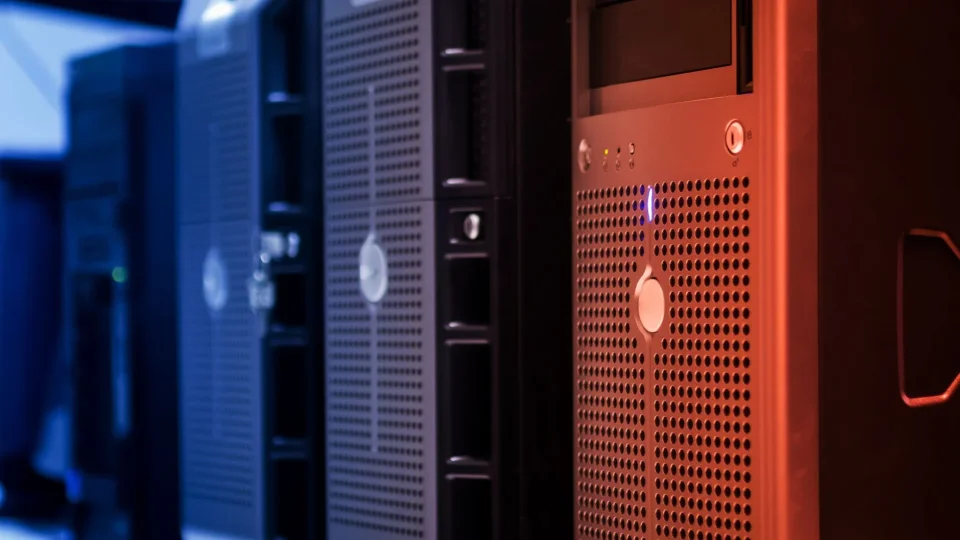
Another way to reduce total cost of ownership is to implement maintenance plans that extend hardware lifespan. According to industry averages, servers with regular maintenance experience 30% less downtime, which indirectly prevents revenue loss from outages. Additionally, choosing energy-efficient hardware significantly lowers electricity bills in the long run. Although energy-efficient servers have a slightly higher initial price, the savings they provide within 2-3 years reduce total cost.
For a concrete comparison, you can review the table below:
| Server Type | Initial Cost | Annual Energy Cost | Maintenance Cost |
|---|---|---|---|
| Physical Hardware | High | Medium-High | High |
| Cloud Server | Low-Medium | Included | Included |
| Virtual Server | Medium | Low-Medium | Medium |
In 2024, exchange rate fluctuations can lead to surprise increases, especially in hardware and license renewals. We regularly cover this point in Nagdos content. Leveraging local supply chains or making bulk purchases can provide advantages in stabilizing prices. Additionally, as noted in the article web design prices in Istanbul, supplier selection and contract terms directly affect your budget. Smart planning and closely following current developments prevent unnecessary spending.
Frequently Asked Questions
What are server prices?
Server costs vary from year to year due to changes in exchange rates, developments in hardware technologies, and increases in energy prices. Additionally, data center infrastructure investments and labor costs are reflected in prices. Supply chain issues in the industry also occasionally put pressure on prices.
How should server prices be planned?
Rented servers are generally more advantageous in terms of initial cost, and expenses like maintenance and energy belong to the service provider. For purchased servers, all expenses such as hardware, energy, maintenance, and spare parts belong to the user. In the long term, purchasing may be preferred for projects with high usage intensity; for short-term needs, renting remains economical.
What should be considered for server prices?
To prevent hidden costs, examine energy consumption, backup, license fees, and maintenance terms in detail in contracts and offers. Clarifying the scope of service prevents surprise expenses that may arise later. Also, be sure to evaluate how data center location and support terms affect your budget.
Settling for a single price tag in server investments can lead to major expenses later. Planning by accounting for all hidden costs is the most solid way to protect your budget. Closely monitoring technological changes and market fluctuations helps you avoid unnecessary costs.