





Web design trends help your site stand out from competitors with innovative approaches set to shine in the digital world in 2026.
From vibrant color palettes to micro-interactions, these current movements enrich user experience, increasing time on site and engagement. In practice, applying these trends strengthens brand perception and encourages visitors to return.
The Power of Vibrant Color Palettes and Emotional Design
The color palettes coming to the fore in 2026 consist of bold tones, balanced use of contrast, and combinations that forge emotional connections. Designers are moving beyond classic blues or pastel shades, using vibrant tones of purple, orange, and green together.
This creates interfaces that don't look ordinary and make it easier to build emotional bonds with visitors. A website's energy can change completely through color choice alone. Warm yellows inspire trust, while deep purples leave an innovative impression.
The psychological effect of colors directly influences user loyalty. According to industry observations made between 2023 and 2024, a large portion of visitors form their first impressions based on site colors.
On sites using boring or overly similar tones, average time on page drops significantly.
On pages designed with dynamic and harmonious palettes, click-through rates and engagement are observed to increase. For this reason, color choice stands out not only as an aesthetic decision but also as a strategic one.
Looking at color usage in real projects, the differences between the palette preferences of a health site and a technology-focused platform are immediately noticeable. Health-focused sites generally gravitate toward calming tones like light blue and green, while entertainment or fashion sites prefer attention-grabbing colors like bright pink and deep purple. The content titled professional website design also covered the impact of colors on trust perception in detail. In 2026 trends, different sectors are seen displaying their own distinctive color codes more boldly. Still, going overboard can tire the user; color balancing requires critical sensitivity.
Tips for Keeping Visitors on Site with Micro-Interactions
Micro-interactions, rising among web design trends, have become an inseparable part of user experience in recent years. Small animations, button transition effects, and dynamic details that appear during scrolling keep visitors engaged and encourage them to stay on the page longer.
Especially on mobile, icons responding with a brief vibration when a menu opens, or a visual animation appearing and disappearing during loading, gives the user a sense of "you are here."
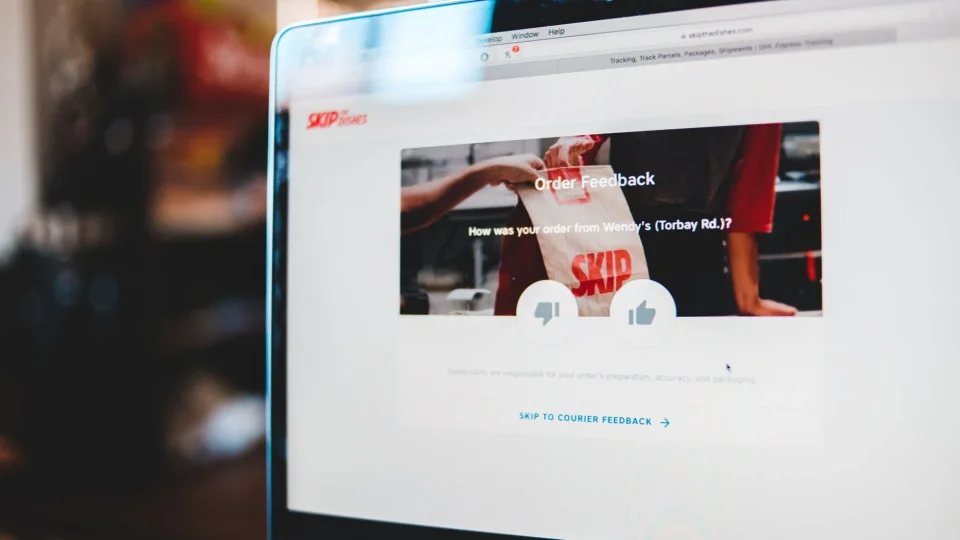
According to field observations, on pages with micro-interactions, users' active time can be about 15% longer compared to traditional static pages. There are also noticeable effects on conversion rates. On a shopping site, an add-to-cart button working with animated and audible feedback can speed up the visitor's decision. Of course, exaggerated or unnecessary use of micro-interactions can negatively affect page performance. Especially for visitors with low-speed internet connections, excessive animation load can cause the site to slow down. The article on responsive web design technical specifications also details the technical limits and optimization of micro-animations.
Original micro-interaction solutions developed by Nagdos are applied to the areas that attract the most attention on the page by analyzing user habits. For example, real-time feedback during form filling or button animations offering a tactile feel reduce the rate at which visitors abandon the process.
A notable application in 2026 is the personalization of micro-interactions to differentiate according to user segments. However, when implementing such innovations, it is crucial not to skip the testing and measurement phase. Every interaction needs to be integrated in a way that does not disrupt the overall speed and integrity of the site.
Frequently Asked Questions
What are web design trends?
In 2026, vibrant color palettes, personalized micro-interactions, and an emotional user experience approach are coming to the fore in the design world. Interfaces that focus not only on visuals but also on building emotional connections with users make sites lasting. Smart animations, interactive elements, and sector-specific color codes have become standard in the new era.
How are web design trends planned?
Micro-interactions increase the time visitors spend on the site and their engagement; however, excessive and unoptimized animations can extend loading time. For the best results, micro-interactions need to be implemented in a lightweight and fast-loading manner. Performance measurement should be carried out to identify animations that create unnecessary load and simplify them.
What should be considered for web design trends?
Nagdos offers innovative and user-focused solutions in website design. By leveraging sectoral analyses on color selection and micro-interactions, it aims to design brand-specific and conversion-focused interfaces. Every stage of the project process is planned based on data, and user experience is prioritized.
In 2026, to stand out without becoming ordinary, it is critical to maintain balance in details like color and micro-interactions and make measurement-based decisions. Instead of blindly applying innovations during the design process, considering both user expectations and technical limitations pays off in the long run.